Who Are We?
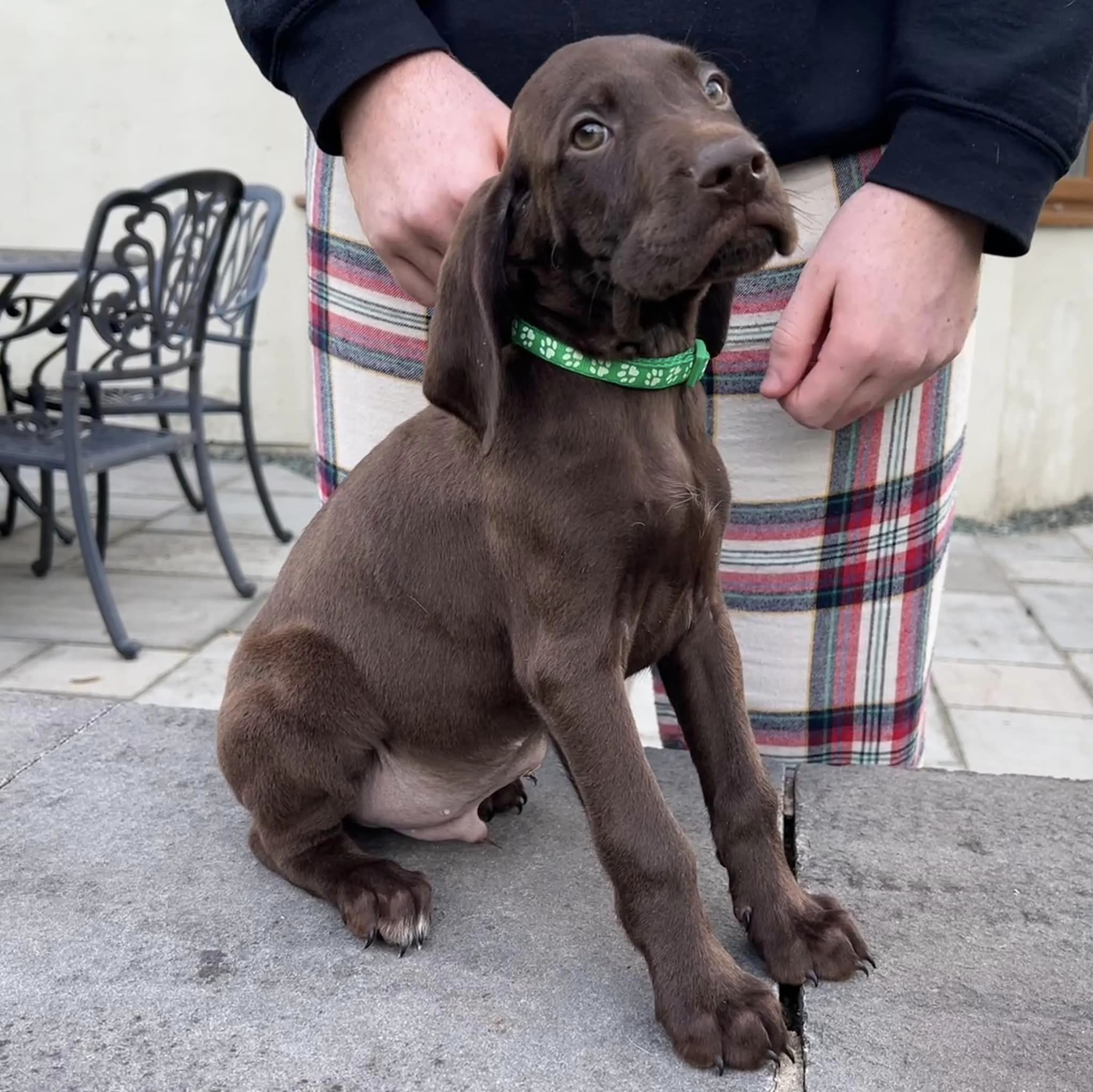
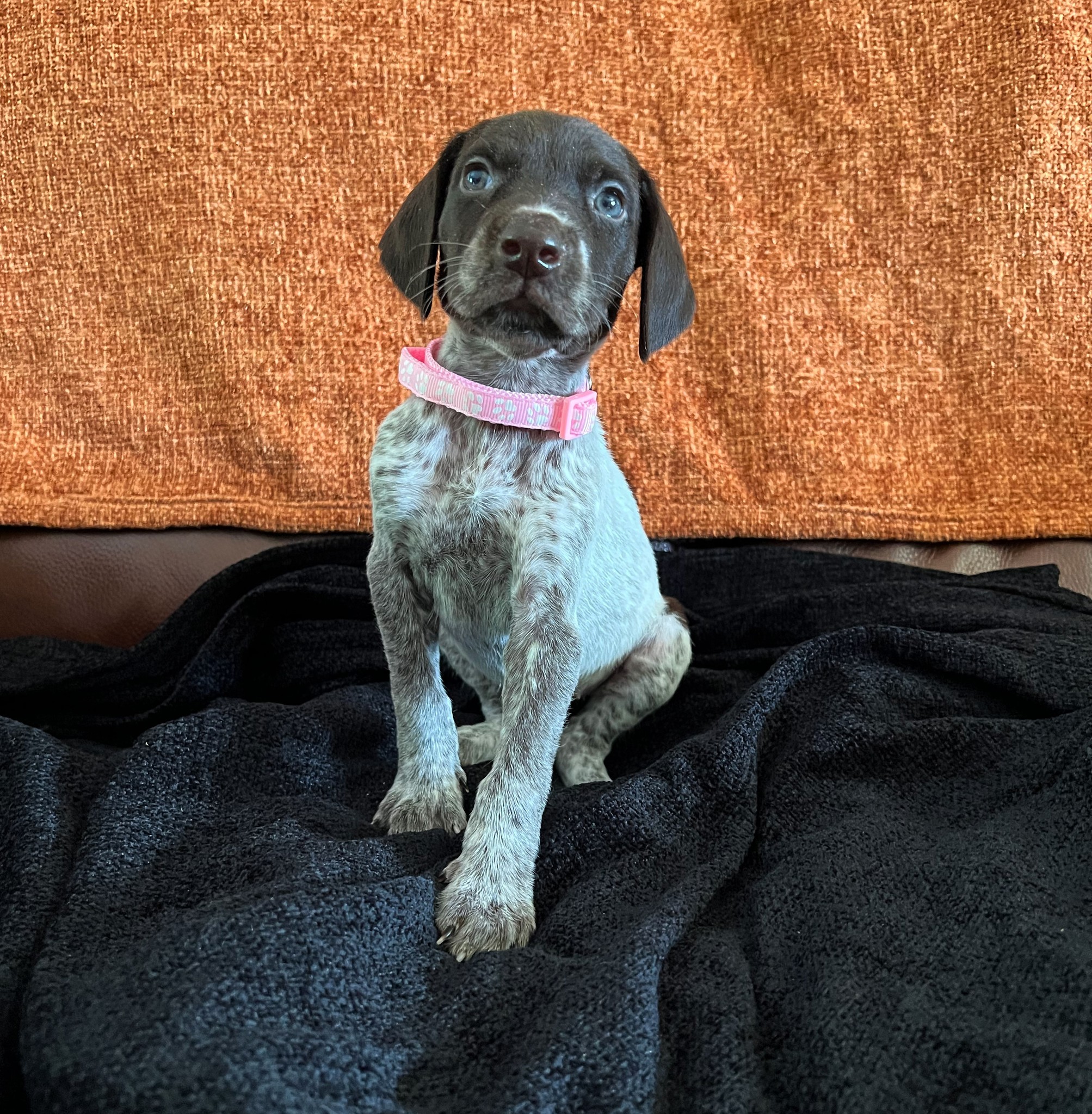
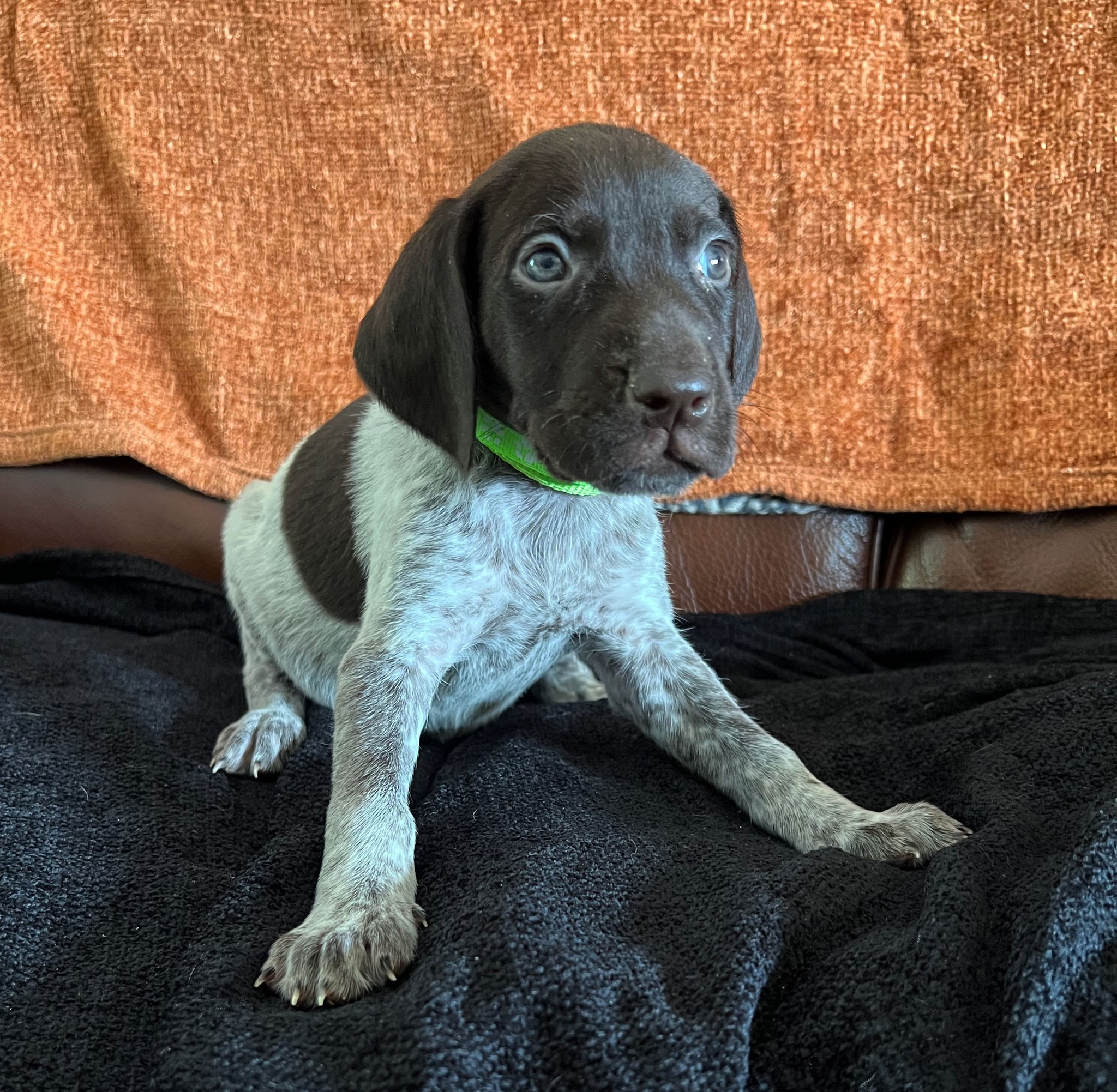
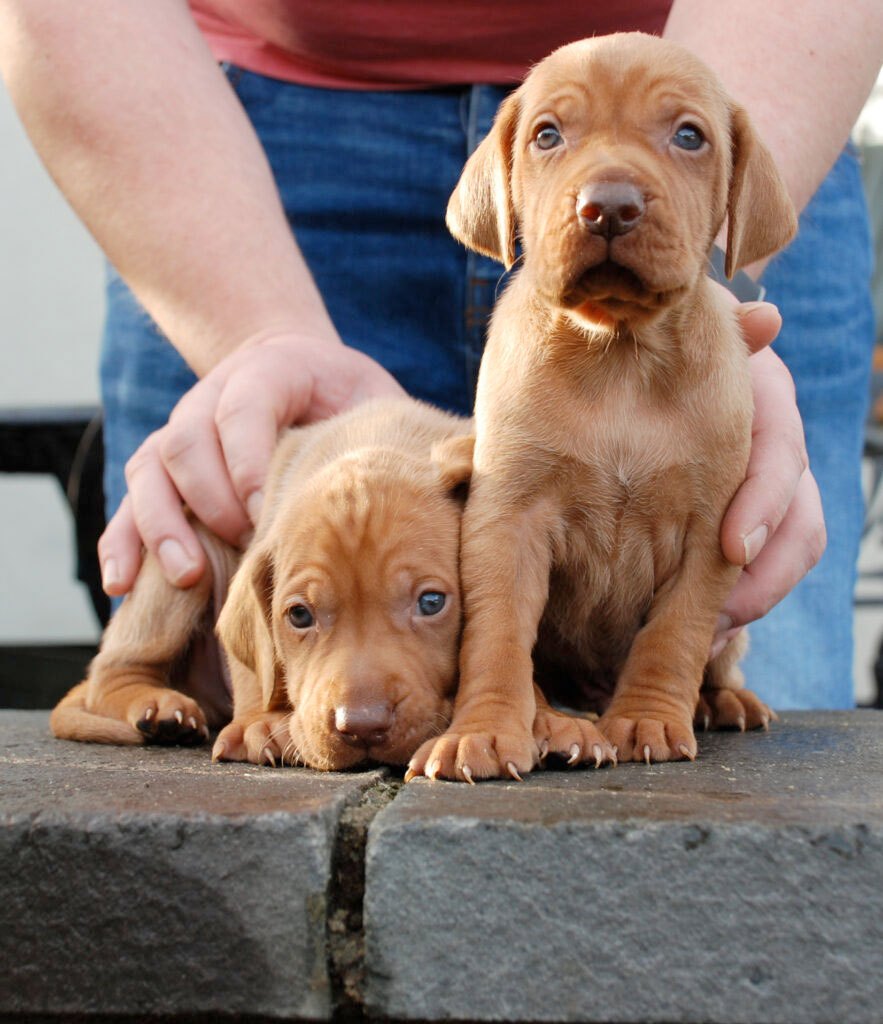
Choosing a puppy from us means choosing experience, honesty and lifelong support. We are a Local Authority Licensed Breeder, established in 2013, with a background in animal management and welfare. Our puppies are raised in a loving family home, with a strong focus on health, confidence and temperament.
Our dogs enjoy acres of private woodland, daily enrichment and excellent standards of care. We remain available to our owners throughout their dog’s life, offering guidance, reassurance and a safe-return option if circumstances ever change. When you choose one of our puppies, you become part of the Cwmdarran Gundog family.
Reserving & Appointments
Our puppies are:
Regularly wormed
Flea-treated
Microchipped through Petlog
Registered with the UK Kennel Club
Covered by four weeks’ free Petplan insurance
We strongly recommend continuing Petplan (or equivalent insurance) for at least the first year.
All puppies are placed on the Kennel Club Non-Active Register (not for breeding). Only the breeder can request a change of status. Show or potential breeding-quality puppies may occasionally be available — please tell us in advance if this is something you’re looking for.
We advise waiting until around 18 months of age before neutering, as early neutering carries a variety of health and developmental risks (see below).
A copy of our Puppy Sale Agreement is available at the bottom of this page.
If you are looking for your perfect new companion, please tell us a little about yourself. Matching the right puppy to the right family is always our priority.
Long-Term Owner Support
We maintain lifelong contact with our owners and offer ongoing support for the full lifetime of every dog we breed.
Should your circumstances ever change, we will always provide a safe return option.
Payment and Collection
A reservation/holding fee may be placed to secure your puppy, but all puppies must be collected in person for welfare and identity-verification reasons.
Payment on collection can be made by cash or bank transfer.
Puppies may be viewed from 3–4 weeks of age.
Important Health Notice
We kindly request that you do not visit other breeders on the same day. Visiting multiple premises increases the risk of carrying infections or viruses between locations, which can be fatal to young puppies.
Please allow at least 48 hours between breeder visits.
When enquiring, please tell us about:
Your home life
Work schedule
Experience with dogs
Other pets
Your expectations
Once a reservation fee has been received, we will provide regular updates and photographs by email.
A puppy is not reserved until the reservation/holding fee has been paid.
Reservation/holding fees fees are non-refundable, unless we are unable to supply the puppy.
We also reserve the right to refuse a sale at any time — in which case the reservation/holding fee will be refunded in full.
Did you know?
We offer lifetime support for every puppy we breed and are always only a phone call away. If you ever have a question, please feel free to get in touch — we’re always happy to help, reassure, and support you in any way we can.

Microchipping Dogs in the UK — What the Law Requires
In the UK, all dogs must be microchipped by 8 weeks of age, and the breeder must be recorded as the first keeper. This is a legal requirement under The Microchipping of Dogs (England) Regulations 2015, and non-compliance can result in a £500 fine.
The breeder must:
Microchip the puppy before sale
Ensure their details are registered as the breeder/first keeper
Only transfer ownership after the puppy goes home
Some unlicensed or irresponsible breeders attempt to bypass this step by registering puppies directly to the new owner. This is a major red flag and often an attempt to avoid:
Licensing
Tax obligations
Welfare inspections
Traceability
Skipping proper registration undermines both animal welfare and buyer protection.
All of our puppies are microchipped here as I am a registered Microchip Implanter.
Health Risks Associated With Early Neutering
1. Orthopaedic Problems
Early neutering disrupts hormone-controlled bone development, increasing the risk of:
Hip dysplasia
Growth plate issues
Cranial cruciate ligament (CCL) injuries
These risks are higher in medium and large breeds.
2. Increased Risk of Certain Cancers
Research links early neutering with increased risk of:
Osteosarcoma
Hemangiosarcoma
Lymphoma
3. Endocrine & Immune System Effects
Early neutering may contribute to:
Thyroid disorders
Urinary incontinence (especially females)
Immune-mediated diseases
4. Behavioural Consequences
Hormones play a key role in mental development. Early neutering may lead to:
Increased fearfulness
Anxiety
Noise sensitivity
Reactivity
📞 07931 724294